
Family & boundaries

What is CRAFT? A guide for families

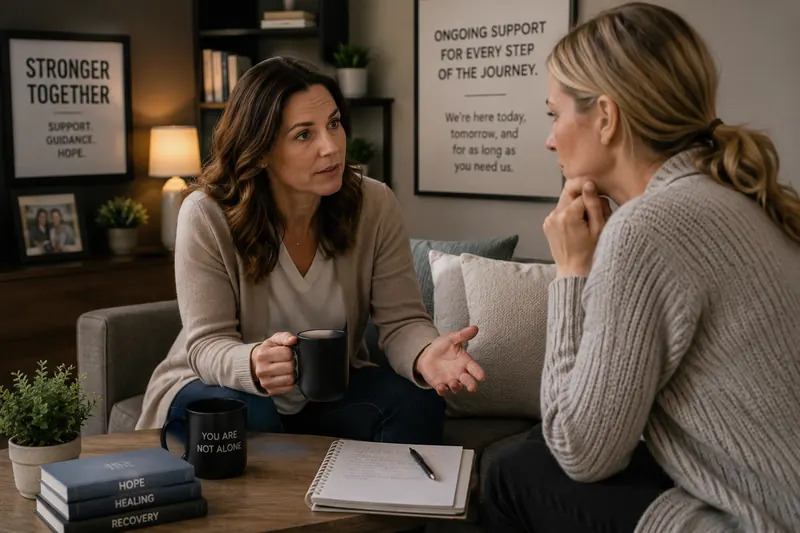
Two family members in a supportive conversation on a sofa
The short answerCRAFT (Community Reinforcement and Family Training) is an evidence-based approach, developed by Dr. Robert J. Meyers, that teaches family members practical skills to encourage a loved one who is refusing help to enter treatment — without confrontation — while improving the family’s own well-being. In research, CRAFT helped families engage a majority of treatment-refusing loved ones in treatment.

CRAFT is one of the most hopeful developments for families facing addiction. It starts from a simple, powerful premise: family members have real influence, and they can learn to use it well.

Where CRAFT comes from

CRAFT was developed by psychologist Dr. Robert J. Meyers as a family-focused extension of the Community Reinforcement Approach. It was designed for exactly the situation many families face: a loved one who refuses help. Transcend founder Joe Ortiz trained in CRAFT directly with Dr. Meyers.

How CRAFT works

CRAFT teaches families a set of practical skills, including:

  • Understanding patterns of use — triggers, times and consequences
  • Positive communication — ways of speaking that lower defensiveness
  • Rewarding non-using behavior — making sober time more rewarding
  • Allowing natural consequences — stepping back from rescuing, safely
  • Recognizing windows of opportunity — when to suggest treatment
  • Safety planning — especially where there is risk of violence
  • Caring for yourself — your well-being matters on its own

What the research shows

In controlled studies summarized in a peer-reviewed review, CRAFT engaged roughly 55–86% of treatment-refusing loved ones in treatment — higher than comparison approaches such as Al-Anon facilitation or the Johnson Institute confrontational intervention (PMC). Family members also reported improvements in their own well-being, regardless of whether their loved one entered treatment.

CRAFT and intervention

CRAFT and structured intervention are not either/or. Some families use CRAFT skills over time; others move to a structured intervention when urgency is high. Many benefit from both. A consultation can help you decide what fits your family now. Family consultation & support →


Not sure what your next step is?

A confidential 10–15 minute discovery call can help you understand your options.

Get guidance for your family

Sources & further reading

  1. Community Reinforcement and Family Training — review, PMC
  2. NIDA — Treatment and recovery
Joe Ortiz
About the author

Joe Ortiz is the Founder, Owner and Lead Interventionist of Transcend Interventions. Certified in the Break Free and CRAFT methods of intervention, he brings more than 36 years in healthcare and 13 years of personal recovery to his work with families.

This article is educational and is not medical advice. If anyone is in immediate danger, call 911. For a mental health crisis, call or text 988.

Your next step

You don’t have to figure this out by yourselves.

A brief, confidential discovery call is where the next right step begins — for your loved one, and for the rest of the family.

  1. 1Tell us a littleSo the right person can reach out.
  2. 2A 10–15 minute conversationWe listen and understand where your family is.
  3. 3A clear next stepWith Transcend, or somewhere better suited.

Prefer to talk now? 732-305-2626

Please share a first name so we know who to ask for.
Please enter a phone number with area code.
Please enter a valid email address.
Add a little context (optional)
Preferred way to reach you
A sentence or two is plenty. Please don’t include medical records or sensitive details — we’ll talk about those privately.

Your information is kept confidential and used only to contact you about your request. Submitting this form does not create a client relationship or obligation.

Thank you.

A member of the Transcend team will review your information and reach out to understand what is happening and determine the appropriate next step.

If you’d rather talk now, call 732-305-2626. If anyone is in immediate danger, call 911. For a mental health or suicidal crisis, call or text 988.

Call Get guidance for your family