
What An Intervention Really Looks Like (It's Not What You See On TV Shows).

When people hear the word “intervention,” they often picture a dramatic scene filled with shouting, tears, and ultimatums. Television has painted interventions as chaotic and confrontational. Because of this, many families feel nervous or resistant to the idea, assuming it will only create conflict.

In reality, professional interventions look very different from what we see on screen. A well-planned intervention is calm, respectful, and structured. It is not an ambush or an emotional attack. Instead, it is a thoughtful conversation guided by preparation and compassion.

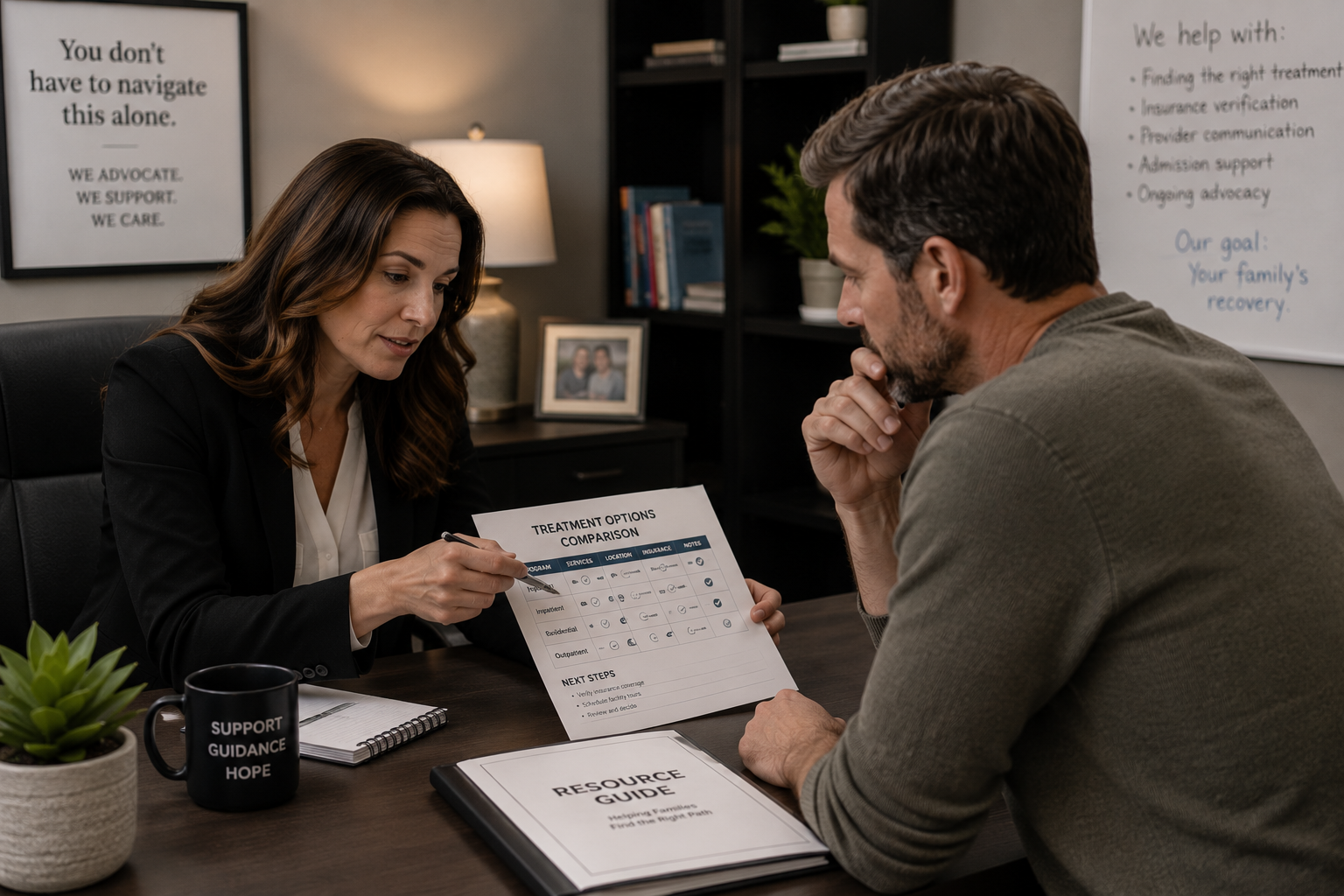
Most of the work happens before the actual meeting takes place. Families spend time learning how to communicate clearly and constructively. They practice what they want to say, focusing on concern and love rather than blame. They also work with a professional to understand healthy boundaries and expectations. Treatment options are researched and arranged ahead of time so that, if their loved one agrees to help, there is an immediate next step.

This preparation is what makes the process effective. Without it, conversations about addiction often turn into arguments. Old resentments surface, emotions escalate, and nothing productive happens. With preparation, however, families can stay grounded and united. Everyone understands the purpose of the conversation and speaks from a place of care.

On the day of the intervention, the tone is usually much calmer than families expect. There may be emotion, but there is also clarity. Each person shares how the addiction has affected them and expresses their desire for their loved one to get support. Rather than threats or punishments, the focus remains on solutions and a path forward.

Professional guidance is especially valuable because it brings experience and neutrality into the room. An interventionist helps keep the conversation focused and prevents it from becoming overwhelming. Families don’t have to carry the entire responsibility themselves, which often reduces stress significantly.

An intervention is not about forcing someone to change. It is about creating an environment where change feels possible. When done thoughtfully, it can be one of the most loving and impactful steps a family takes.

You don’t have to figure this out alone.

Transcend Interventions is here to help families take the next step with clarity, compassion, and care.

732-599-7817

support@transcendintervention.com

Scroll to Top